
Olea europaea
Selected Varieties for Northwest Olive Production
All of the Olea europaea varieties we grow are selected for cold and drought tolerance, and are growing well in the Pacific Northwest.
Each variety has its own characteristics re: growth habit, pollination, flavor profiles, etc. Blooms April thru June, fruit ripens in the fall. Most varieties are noted as dual-purpose; fruit can be brined into table olives or pressed for oil. Olives are wind pollinated, crops will likely be heavier with other varietals nearby. Olive trees need soil that drains well and a sunny location. Hardy to ~10 degrees F, gains cold and drought tolerance with maturity.
Olive Tree Varieties
Ascolana
(Italy) Very large, light green fruit. Contains very little bitterness, excellent for pickles. Trees are heavy bearers. Requires a pollinator - ‘Leccino’, ‘Frantoio’, ‘Pendolino’.
Casaliva
(Italy) High yield of high quality, high polyphenol oil. Pendulous growth habit and globular crown. Consistent producer. Self-pollinating.
Coratina
(Italy) A plant of medium size and moderately pendulant shape. The fruit are large, elongated ovals and slightly asymmetrical. Very fruity in flavor. Requires a poliinator - ‘Frantoio’, ‘Leccino’.
Frantoio
(Italy) Translated from Italian as “Olive Mill,” this classic Tuscan variety produces a very flavorful, sharp oil. Medium-sized fruit, slightly nutty flavor. Self-pollinating, also a good pollinator to other olive trees. Good container plant.
Itrana
(Italy) A vigorous tree of notable size and upward growth. The fruit is used for both table and oil; pleasing in taste and very prized. A rustic, very productive variety.
Leccino
(Italy) Small to medium fruit is good for table olives; rich, buttery and distinctly olive tasting, but delicate. The olives ripen early into black ovals practically all at once. Very productive. Requires a pollinator - ‘Pendolino’, ‘Frantoio’. Good container plant.
Maurino
(Italy) Pendulous, growth habit. The fruits’ oil is delicate, not overly fruity and highly regarded. Excellent pollinator.
Noccellara del Belice
(Italy) A Sicilian variety, also known as ‘Castelvetrano.’ Rustic, vigorous and fast-growing. Late, heavy producer of large, dual-use fruit of mild and perfumy flavor.
Pendolino
(Italy) Weeping growth habit with dense and abundant crown. Fruit has a delicate, pleasant flavor. High fruit production, excellent pollinator.
Santa Caterina
(Italy) Vigorous growth habit with expansive crown. Early ripening, very large intense green color fruit make this an excellent table variety.
Taggiasca
(Italy) A tree of pendulant, open shape with a spreading crown. Consistent and high fruit production and yield in oil. Self-pollinating.
Oblica
(Croatia) Known for high-quality and widespread cultivation. Upright growth and rounded canopies. Hardy producer of large olives used for both olive oil and table olives.
Amfissa
(Greece) A tree of strong vigor with a spreading habit and a canopy of medium density. A heavy, dual-purpose olive with an asymmetric oval shape. Harvest green or black.
Hojiblanca
(Spain) Compact tree, dense-growing. Lots of large dual-purpose fruit for high quality oil and table olives. Self-fertile. Great container tree.
Manzanillo de Sevilla
(Spain) Large olive used for oil, stuffed fruit, or salted green or black. The olives are picked early when they are green. Self pollinating. Good container plant.
Picudo
(Spain) Very strong vigor and open-bearing. High productivity of large fruit used for both pressing into oil and brining for table olives. Excellent pollinator.
Picual
(Spain) Rustic and vigorous. Medium-sized fruit, high oil yield. Self-fertile, abundant, and early producing. ‘Manzanilla’ is a good pollinator.
Aglandau
(France) Vigorous variety with a spreading habit and dense canopy. Medium-weight fruit used for both oil and table is considered of the finest quality because of its fruitiness.
Boutteillan
(France) A tree of strong vigor, erect and dense growth. Hardy and fast growing. Large, clingstone fruit with high oil content. Highly self-compatible, ‘Cayon’ is a pollinator.
Cailletier
(France) Large, vigorous tree with weeping growth characteristic. Small fruit with high oil content. Nicoise table olive, delicately flavored oil.
Cayon
(France) Used primarily for oil production. Excellent pollinator.
Picholine
(France) A rustic variety used for both table fruit and oil. The medium sized fruit is harvested green for table olives, and black for oil production. Partly self fertile, and is a good, consistent producer. ‘Leccino’ and ‘Manzanillo’ are good pollinators.
Mission
(California) A tree of strong vigor with an erect growth habit. While the dark fruit is popular, the Mission olive is also harvested for its green fruit, which is known for its mild, grassy flavor both in cured table olives and pressed into oil. Ideal container tree. Self-pollinating.
Wilsonii
(California) Fruitless, derived from ‘Manzanillo.’ Multi-stem, dramatic growth characteristic and does not produce pollen. Beautiful landscape or container evergreen.
Current Inventory & Sales
Select Italian, Spanish, French, and California varieties available.
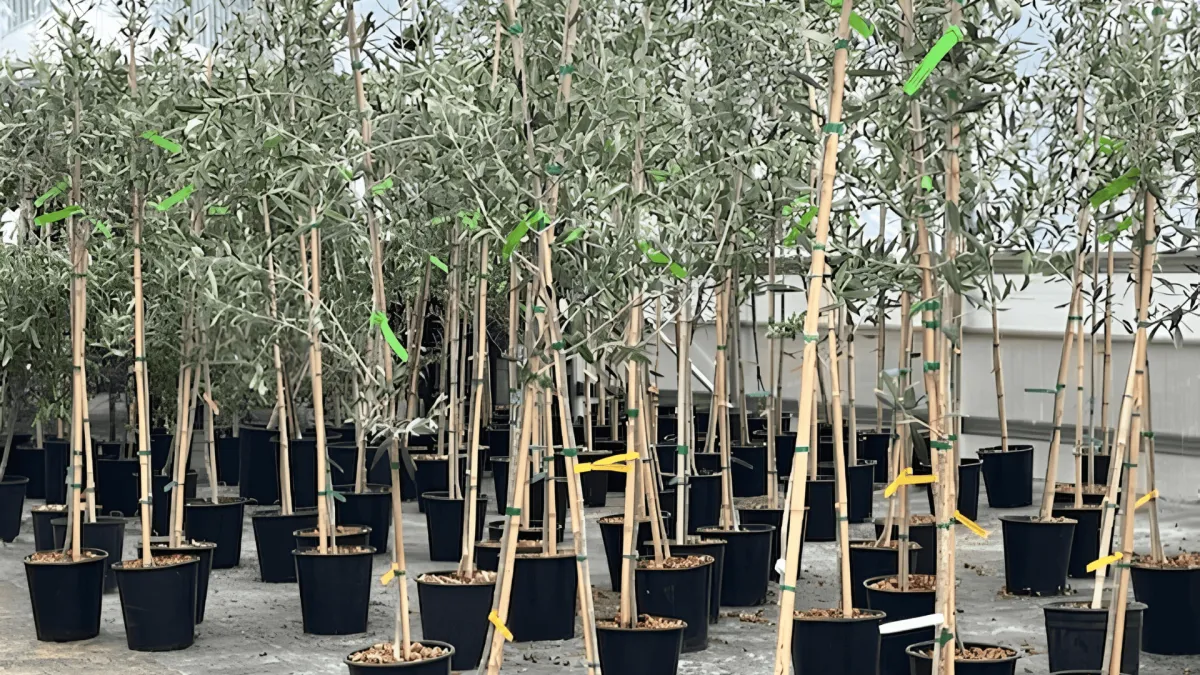
2-Gallon Olive Trees
Any 12 Trees for $899
Ascolana, Leccino, Pendolino, Itrana, Coratina, Maurino, Frantoio, Nocellara del Belice, Santa Caterina, Taggiasca, Aglandau, Boutteillan, Cailletier, Picholine, Cayon, Manzanillo, Picual, Mission, Wilsonii, Oblica, Amfissa
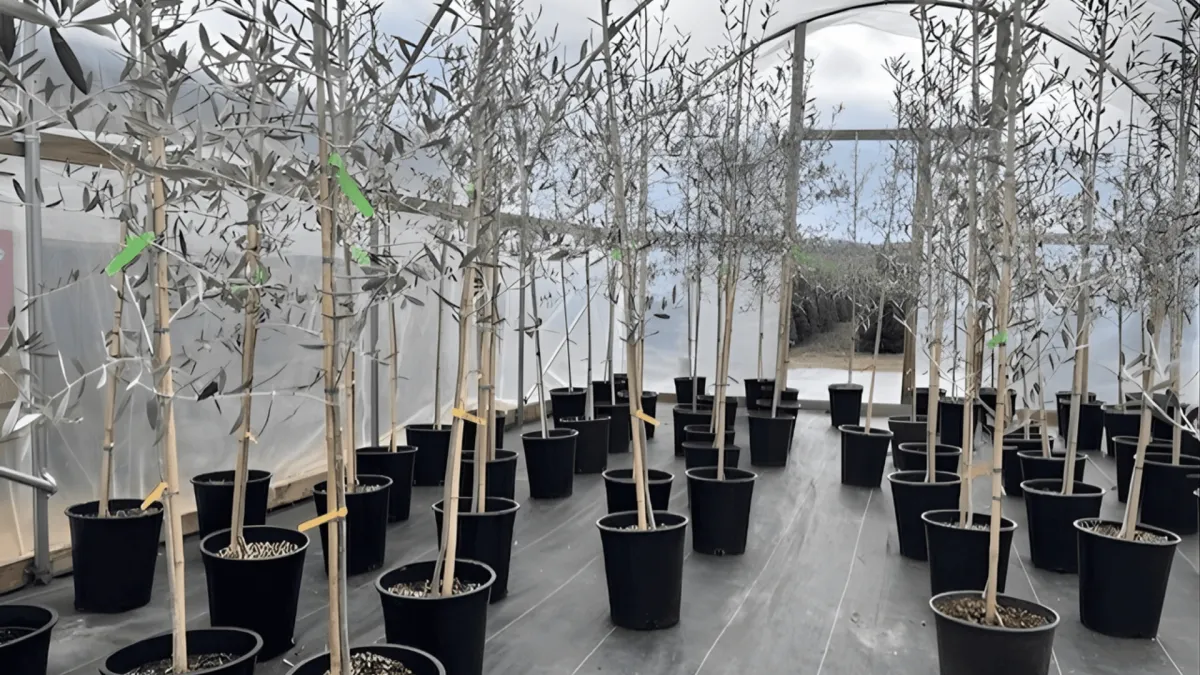
5-Gallon Olive Trees
Any 12 Trees for $1299
Ascolana, Leccino, Pendolino, Coratina, Frantoio, Maurino, Taggiasca, Casaliva, Manzanillo
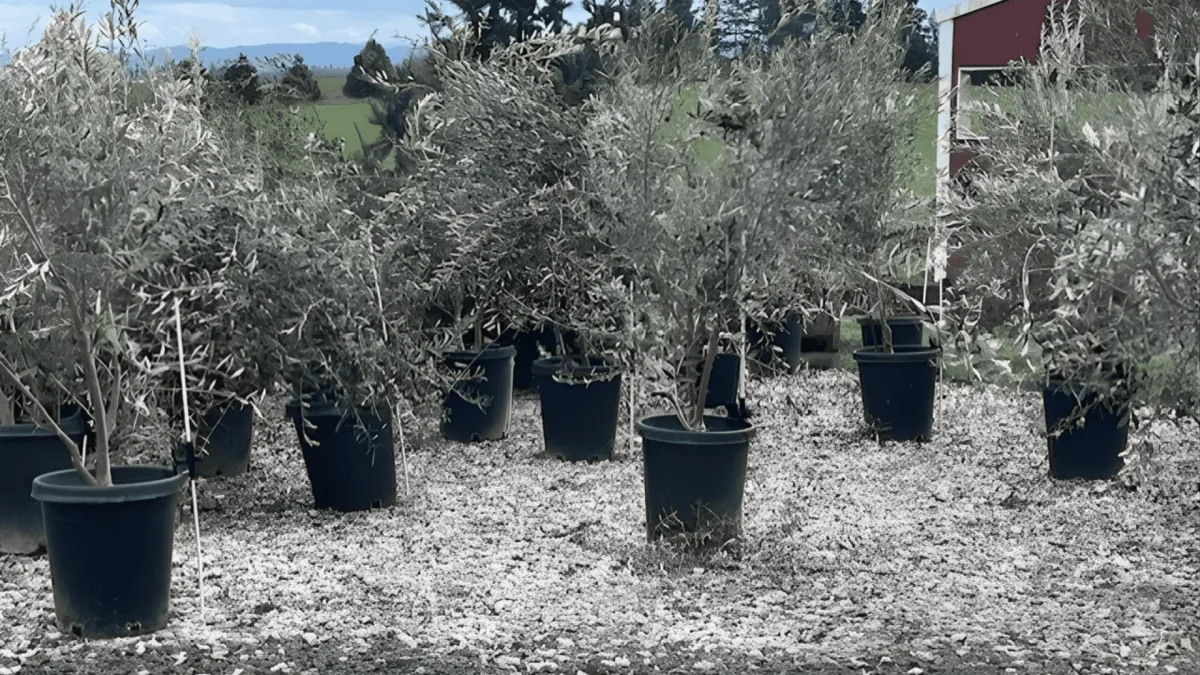
#15 Multi-stem Manzanillo & Mission
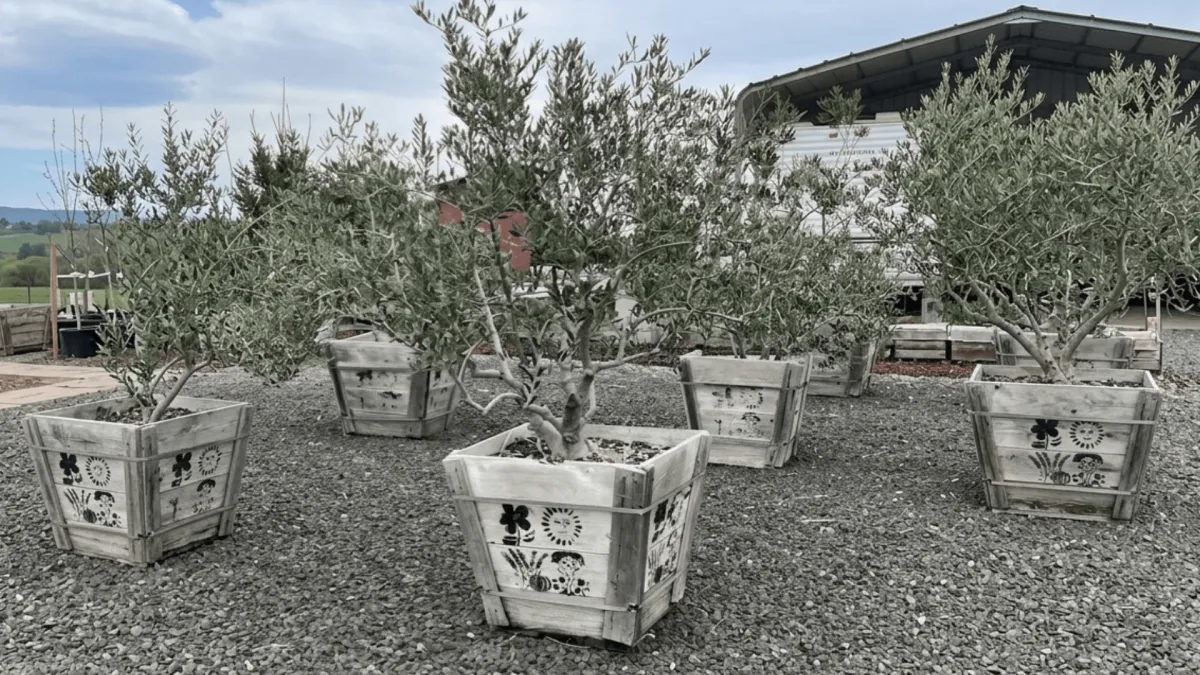
24" Boxed Multi-stem Mission
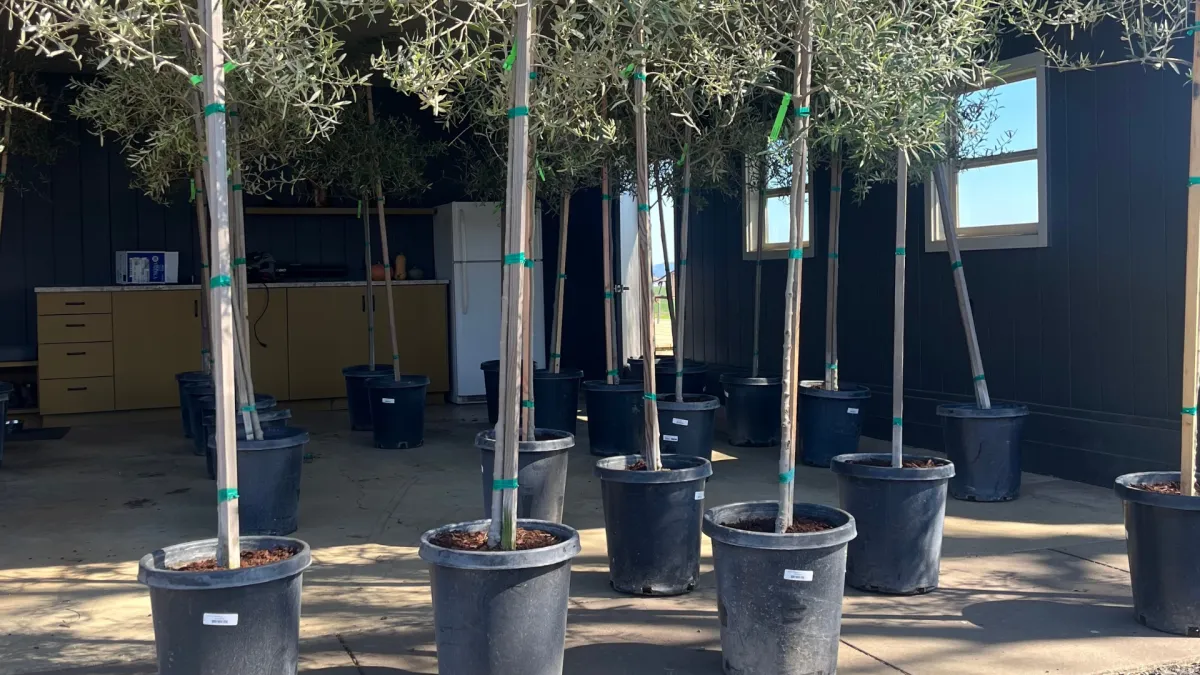
#15 Standard 'Wilsonii'
Located in Dallas, Oregon
Oregon Olive Trees Nursery is based in Dallas, OR, serving customers across the Pacific Northwest.
Contact Us
Appointments available every day 10am-4pm
Location
690 N Fir Villa Rd
Dallas, OR 97338
Oregon Olive Trees
690 N Fir Villa Rd
Dallas, Oregon 97338




Areas served:
Dallas, OR and Surrounding Areas
Copyright © 2026 Oregon Olive Trees ·